Motorcycle Shocks

Viewing Results 1 - 8 of 8
-
 possible fitPart #: 585562 Mfg Part #: 17-05701
 -
possible fitPart #: 585561 Mfg Part #: 17-05700
-
-
-
possible fitPart #: 585556 Mfg Part #: 17-05694B
-
possible fitPart #: 585555 Mfg Part #: 17-05694
-
possible fitPart #: 585554 Mfg Part #: 17-05693B
-
possible fitPart #: 585553 Mfg Part #: 17-05693


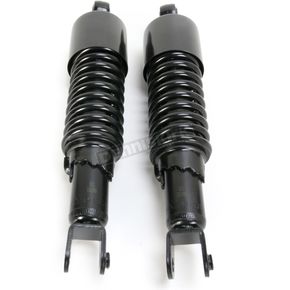


Motorcycle Shocks
Everyone wants a smooth ride. To get that, you need to have great working motorcycle shocks equipped on your bike. The rear shocks on a motorcycle absorb much of the punishment so your back does not have to. Not all shocks are created equally, though. They range from the very standard coil over shocks to gas shocks with external reservoirs and even air ride shocks. Each style has its advantages and disadvantages, so choosing the right shocks largely depends on your riding style, type of motorcycle and budget.
<br><br>
Most motorcycle come stock with coil over shocks with only oil used for damping. These shocks were just fine for most bikes and casual riding styles and they tend to be the least expensive option. One downside to the standard shocks is that the oil can begin to foam if it is constantly moving and their damping abilities begin to fade. Gas shocks have a pocket of nitrogen to help keep pressure on the oil as well as to keep it cool to prevent the foaming. Many gas shocks also come equipped with a damping adjuster to help you dial in for a smoother ride. Air ride shocks provide the ultimate ride by being the most adjustable.
<br><br>
No matter which type of shock you decide to equip your bike with, you will find them all at Dennis Kirk and for the lowest guaranteed prices. We keep them all in stock and ready to ship to you the same day that you order so you can get back out riding as soon as possible. And when your order is over $89, we will ship it to you absolutely free. Use our Shop By Ride selector at the top of the page to find all of the shocks that fit your specific motorcycle. Feel free to contact our knowledgeable Tech Support Team if you are unsure of which ones are right for your machine and riding style.
<br><br>
<div>
<h2 class="faq-header">FAQs on Motorcycle Shocks</h2>
<section itemscope itemprop="mainEntity" itemtype="https://schema.org/Question">
<h4 itemprop="name">What type of shock gives the smoothest ride?</h4>
<div itemscope itemprop="acceptedAnswer" itemtype="https://schema.org/Answer">
<div itemprop="text">
<p>Gas-charged shocks with adjustable damping generally provide the smoothest ride. High-quality suspension systems like Öhlins or Legend are known for comfort. Proper tuning for your weight and bike type is essential. Regular maintenance also ensures consistent smoothness. All that being said, air ride suspensions can provide a very smooth ride as well with the ability to quickly adjust on the fly.</p>
</div>
</div>
</section>
<section itemscope itemprop="mainEntity" itemtype="https://schema.org/Question">
<h4 itemprop="name">What do shocks do on a motorcycle?</h4>
<div itemscope itemprop="acceptedAnswer" itemtype="https://schema.org/Answer">
<div itemprop="text">
<p>Shocks absorb bumps and vibrations from the road, improving comfort and control. They keep tires in contact with the ground for better traction. Shocks also control the suspension’s movement during acceleration, braking, and cornering. They play a key role in handling stability. Essentially, they balance comfort and performance.</p>
</div>
</div>
</section>
<section itemscope itemprop="mainEntity" itemtype="https://schema.org/Question">
<h4 itemprop="name">How often should I replace motorcycle shocks?</h4>
<div itemscope itemprop="acceptedAnswer" itemtype="https://schema.org/Answer">
<div itemprop="text">
<p>Shocks generally last between 20,000 and 50,000 miles depending on riding style and conditions. Regular inspection for leaks or sagging helps determine replacement needs. Aggressive riding or rough terrain may shorten lifespan. Signs of wear should prompt earlier replacement. Always follow manufacturer recommendations for your bike model.</p>
</div>
</div>
</section>
<section itemscope itemprop="mainEntity" itemtype="https://schema.org/Question">
<h4 itemprop="name">How to tell if your motorcycle shocks are bad?</h4>
<div itemscope itemprop="acceptedAnswer" itemtype="https://schema.org/Answer">
<div itemprop="text">
<p>Bad shocks often show leaks or visible oil around the shock body. Excessive bouncing or a rough ride can be signs of worn shocks. Uneven tire wear and reduced handling stability also indicate issues. Listen for unusual noises when riding. If in doubt, have a professional inspect them.</p>
</div>
</div>
</section>
<section itemscope itemprop="mainEntity" itemtype="https://schema.org/Question">
<h4 itemprop="name">Is it better to ride with your shocks on hard or soft?</h4>
<div itemscope itemprop="acceptedAnswer" itemtype="https://schema.org/Answer">
<div itemprop="text">
<p>The choice depends on your riding style and conditions. Soft settings improve comfort on rough roads but reduce handling precision. Hard settings enhance control and cornering stability but can feel harsh over bumps. Adjustable shocks allow you to fine-tune between comfort and performance. Many riders prefer a medium setting for everyday riding.</p>
</div>
</div>
</section>
</div>
![Bizrate Circle of Excellence - See [Merchant Name] Reviews at bizratesurveys.com](https://medals.bizrate.com/awards/vertical/medium/28065_coe.gif)