Motorcycle Fuses & Fuse Kits
-
 Ride SpecificPart #: 275981 Mfg Part #: 32-0357
 -
-
Ride SpecificPart #: 273086 Mfg Part #: 9817-15
-
-
-
-
-
-
-
-
Ride SpecificPart #: 211906 Mfg Part #: 0913-1001
-
Ride SpecificPart #: 2103507 Mfg Part #: 41-201
-
Ride SpecificPart #: 2102995 Mfg Part #: 9639-22
-
Ride SpecificPart #: 2102993 Mfg Part #: 8005-12
-
-
-
Ride SpecificPart #: 2101661 Mfg Part #: 32-0321
-
Ride SpecificPart #: 2013663 Mfg Part #: 34-0111
-
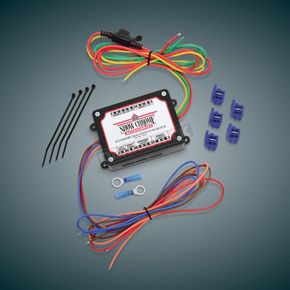
Ride SpecificVolt Tech Quick Connect Wiring Terminal Block for 1970-1984 Harley-Davidson Touring Motorcycles
 (1)
$59.85Part #: 2012659 Mfg Part #: 32-9246
(1)
$59.85Part #: 2012659 Mfg Part #: 32-9246 -
-
-
-
-
-
-
-
-
Part #: 2010727 Mfg Part #: NMFH-01
-
-
-
-
-
Ride SpecificPart #: 2010267 Mfg Part #: 32-0414
-
Ride SpecificPart #: 2010266 Mfg Part #: 32-0413
-
Part #: 2000643 Mfg Part #: NCB-3001
-
Part #: 2000642 Mfg Part #: NCB-1501
-
Part #: 2000641 Mfg Part #: NCB-1001
-
Part #: 2000640 Mfg Part #: NCB-MR20
-
Part #: 2000639 Mfg Part #: NCB-MR15
-
Part #: 2000638 Mfg Part #: NCB-MR10











Motorcycle Fuses & Fuse Kits
The power draws on modern motorcycles are lightyear’s past machines from a few decades ago. There are far more electronics and powered accessories on most of the new machines. With all these electronics, comes a need to protect the wiring and that’s exactly what motorcycle fuses do. A fuse or circuit breaker is designed to cut off the electrical current before any significant damage to the electronics or wiring can occur.
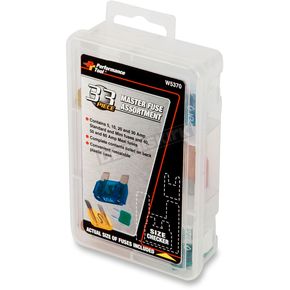
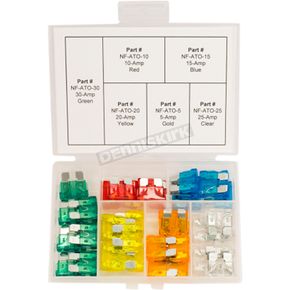
Even with proper maintenance, you may still run into an unforeseen situation where your bike blows a fuse. If that happens on the roadway, you may end up stranded if you don’t have a replacement handy. Having spare motorcycle fuses on hand can help you get back home. Because your bike likely uses a variety of fuses, it’s a good idea to have a motorcycle fuse kit onboard. The fuse kits contain a variety of sizes to accommodate many different amperage needs.
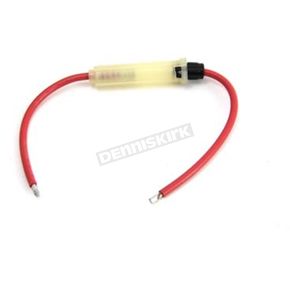
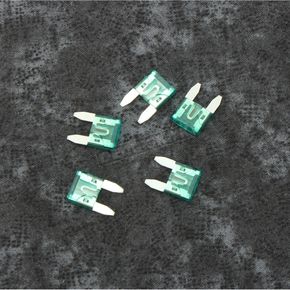
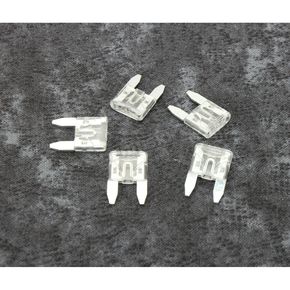
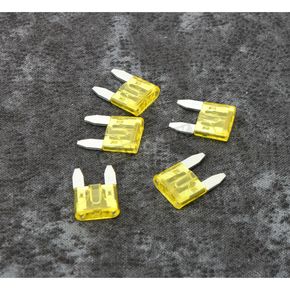
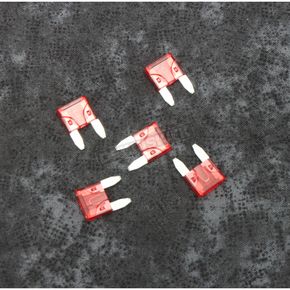
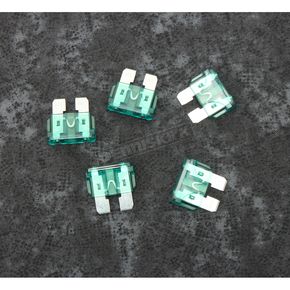
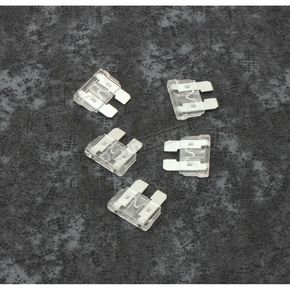
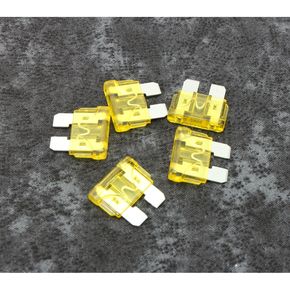
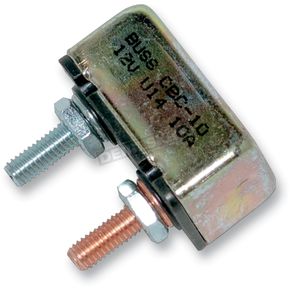
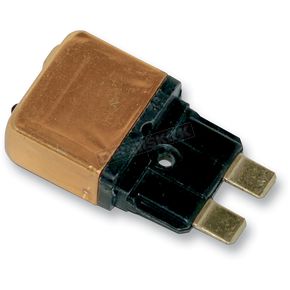
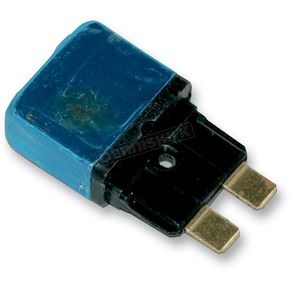
Motorcycle fuses come in various styles. Blade fuses are among the most common type found in motorcycles, characterized by their flat, rectangular shape with two metal prongs protruding from the sides. These fuses are easy to install and replace. Another common style found on motorcycles is the cylindrical cartridge fuse, resembling a small glass cylinder with metal caps on both ends. Despite being less common nowadays, some vintage or custom motorcycles still utilize these fuses. Then there are circuit breakers, which can be reset if tripped after being overloaded.
When a motorcycle fuse blows, it’s important to replace it with the same amperage fuse that was installed. A fuse that has a larger amperage rating may allow for too much amperage draw to the electronics, which can then damage that component. A fuse with a rating that is too small may blow more often under normal operating conditions.
Knowing when to replace motorcycle fuses is crucial for maintaining electrical safety and preventing potential damage to the bike's components. Fuses can degrade over time due to factors like vibration, heat, and moisture exposure, potentially leading to compromised electrical connections or failure. If they show signs of wear or corrosion, you should preemptively replace them with a fuse of the same amperage rating. Signs of wear or corrosion include discoloration, melting, or a broken filament.
If a fuse repeatedly blows or if electrical components connected to the circuit exhibit erratic behavior, it's indicative of an underlying issue that warrants further investigation past just a fuse replacement. Regular maintenance practices, such as cleaning electrical connections and securing fuse holders, can also contribute to prolonging the lifespan of fuses and ensuring reliable electrical performance on the motorcycle.
![Bizrate Circle of Excellence - See [Merchant Name] Reviews at bizratesurveys.com](https://medals.bizrate.com/awards/vertical/medium/28065_coe.gif)