www.denniskirk.com
800-969-7501
Popular Makes
Tire Parts & Accessories
- Shop Tire Parts & Accessories
- Axles
- Tubes
- Tools
- Wheels
- Wheel Bearings
Shop By
- Shop Exhaust Parts & Accessories
- Exhaust Hardware
- Exhaust Gaskets
- Inserts & Spark Arrestors
- Repack Kits
Shop By
Featured Brands
Shop By
Featured Brands


Shop by Discount
Over 185,000 Parts and accessories in stock
Free Same-Day Shipping on orders over $89
Tech Support Backed by Years of Riding Experience
How to Replace a Snowmobile Track: Step-by-Step Guide
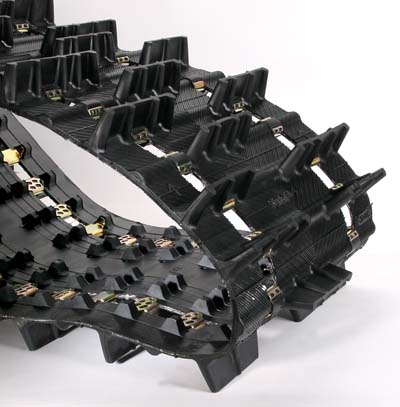
So often snowmobilers decide to just deal with a worn out snowmobile track or one that doesn't suit their style of riding. The thought of swapping out a snowmobile track seems to be a daunting task that many riders put off until they are forced to deal with it. If you choose this route, you will not only lose out on the performance gains of a new snowmobile track, but you are also putting yourself in danger if you are riding with a worn out or damaged track. Do a video search for track blow-outs and you will see for yourself.
Anyone with a basic understanding of their snowmobile, has an open work space, some tools and a little patience can swap out their own snowmobile track. In order to get your old track off, you will need to remove your rear suspension, some parts under the hood and the drive shaft. This may sound like a lot, but once you start knocking out the individual steps, the process will move along nicely. Some snowmobiles will require some extra or fewer steps, but the process below should be a good start for all snowmobiles.
Follow this guide to learn how to remove a snowmobile track so you can replace it. Removing the track also allows you to work on the suspension or driveshaft.
When to Replace a Snowmobile Track
Before diving into the replacement process, it's important to know when it's actually time to replace your track. Here's a quick reference chart to help you identify whether your track can be repaired or if it's due for a full replacement.
| Symptom | Possible Cause | Replace or Repair? |
|---|---|---|
| Cords showing | A snowmobile track is built with internal cords similar to a tire. If any cords are visible, the track has lost structural integrity and will continue to separate from the rubber. | Replace |
| Weather checked & dry rotted | Caused by prolonged sun exposure and aging rubber compounds. Fine cracks indicate early wear, but deeper cracks can lead to chunks tearing off. | Monitor minor cracks; replace if cracks deepen or rubber chunks begin to fall off. |
| Missing lugs | Can result from excessive track spinning, running paddle tracks on hardpack, or dry rot. If only a few lugs are cleanly missing, the track may still be usable. | Inspect—okay if only a few cleanly missing; replace if cords are visible or damage is widespread. |
| Missing track clips / damaged drive ports | Track clips can wear out or fall off, and missing clips can cause the drive sprocket to wear away the rubber around the ports. This reduces power transfer and can lead to further degradation. | Replace clips if only a few are missing; replace the track if drive ports are worn or rubber is breaking down. |
Steps to Remove & Replace Snowmobile Track
Replacing a snowmobile track involves several key steps, but with the right tools and some patience, most riders can handle it in their own garage. Follow this 10-step process for a safe and efficient installation.
Step 1 Remove Rear Suspension
Lift the rear of the snowmobile by the bumper or tip the sled on its side to relieve pressure on the suspension. Loosen track tension bolts, remove the suspension arm bolts, and pull the skid out of the track.
Step 2 Remove Any Parts Blocking Chaincase Cover
Remove components like the exhaust, battery, and tray that obstruct access to the chaincase. An exhaust spring puller helps make this easier.
Step 3 Remove Chaincase Cover
Drain the chaincase oil (if applicable), remove the filler plug, and unbolt the cover. Keep rags handy for cleanup.
Step 4 Remove Chaincase Tensioner and Gears
Loosen the chain tensioner, remove the tensioner arm and gears. Note their orientation for reassembly.
Step 5 Remove Secondary Clutch/Brake Components
Take off the belt guard, secondary clutch, and brake components as needed. Disconnect the speedometer cable if required.
Step 6 Remove Drive Shaft & Old Track
Slide the driveshaft toward the chaincase to release it and pull it out. The old track can now be removed.
Step 7 Inspect Suspension, Drive & Brake Components
Inspect all parts for wear or damage, grease the suspension, and replace worn bearings or brake pads as needed.
Step 8 Install New Track
Position the new track in the tunnel, align the lugs with the drivers, and slide the driveshaft through correctly.
Step 9 Install Remaining Parts in Reverse Order of Removal
Reinstall all parts in the reverse order of removal, ensuring proper alignment and refilling the chaincase with oil.
Step 10 Test & Adjust
Lift the sled, run the track slowly to check for rubbing, then adjust track tension according to manufacturer specifications.
Final Checks & Safety
Before you hit the trails, double-check your installation and confirm your new track is the correct fit for your sled. Use this quick checklist to ensure compatibility and safety.
- Know your lug height limits for your sled and riding terrain.
- Verify tunnel and stud clearance to avoid rubbing or damage.
- Match track width and pitch to your OEM specs.
- Check that all bolts, clips, and chaincase components are torqued properly.
- After your first short ride, recheck track tension and alignment.
Ready to replace your track? Browse all available snowmobile tracks at Dennis Kirk or talk to a tech expert for help choosing the right fit.
![Bizrate Circle of Excellence - See [Merchant Name] Reviews at bizratesurveys.com](https://medals.bizrate.com/awards/vertical/medium/28065_coe.gif)